Poems57
From the Songs of Africaمن أغاني إفريقيا
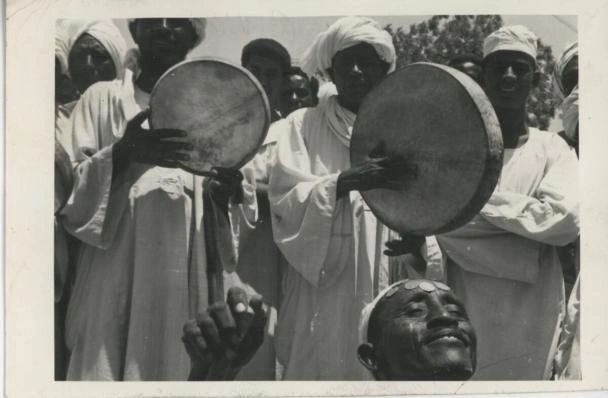
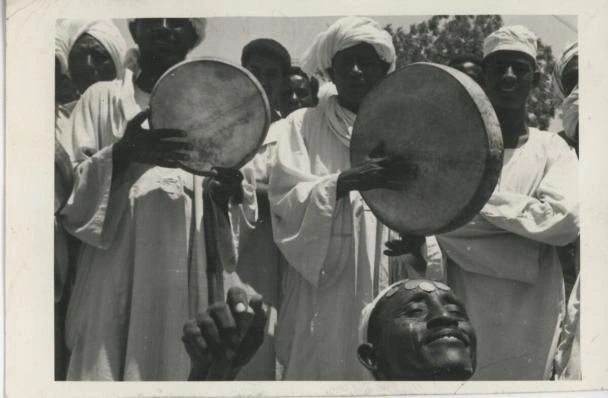
Muhammad al-Fayturi
يا أخي في الشرق، في كل سكنْ
يا أخي في الأرض، في كل وطنْ
أنا أدعوكَ .. فهل تعرفني؟
يا أخاً أعرفه .. رغم المحنْ
إنني مزّقتُ أكفانَ الدجى
إنني هدّمتُ جدران الوهنْ
لم أعد مقبرةً تحكي البلى
لم أعد ساقيةً تبكي الدمنْ
لم أعد عبدَ قيودي
لم أعد عبدَ ماضٍ هرمٍ
عبدَ وثنْ
أنا حيٌّ خالدٌ رغم الردى
أنا حرٌّ رغم قضبان الزمنْ
فاستمع لي .. استمع لي
إنما أذن الجيفة صماء الأذنْ
إن نكن سرنا على الشوك سنينا
ولقينا من أذاه ما لقينا
إن نكن بتنا عراةً جائعينا
أو نكن عشنا حفاةً بائيسنا
إن تكن قد أوهت الفأس قوانا
فوقفنا نتحدى الساقطينا
إن يكن سخّرَنا جلادُنا
فبنينا لأمانينا سجونا
ورفعناه على أعناقنا
ولثمنا قدميه خاشعينا
وملأنا كأسه من دمنا
فتساقانا جراحا وأنينا
وجعلنا حجر القصر رؤوساً
ونقشناه جفوناً وعيونا
فلقد ثرنا على أنفسنا
ومحونا وصمة الذلة فينا
الملايين أفاقت من كراها
ما تراها
ملأ الأفقَ صداها
خرجت تبحث عن تاريخها
بعد أن تاهت على الأرض وتاها
حملت أفؤسها وانحدرت
من روابيها وأغوار قراها
فانظر الإصرار في أعينها
وصباح البعث يجتاح الجباها
يا أخي في كل أرض عريت من ضياها
وتغطت بدجاها
يا أخي في كل أرض وجمت
شفتاها
واكفهرّت مقلتاها
قم تحرّرْ من توابيت الأسى
لست أعجوبتها أو مومياها
انطلق فوق ضحاها ومساها
يا أخي قد أصبح الشعب إلها
جبهةُ العبد ونعل السيدِ
وأنين الأسوَدِ المضطهدِ
تلك مأساة قرونٍ غبرت
لم أعد أقبلها
لم أعدِ!
كيف يستعبدُ أرضي أبيضٌ
كيف يستعبدُ أمسي وغدي؟
كيف يخبو عمري في سجنه
وجدارُ السجن من صنع يدي
أنا زنجيٌّ!
وإفريقيّتي لي
لا للأجنبيّ المعتدي
أنا إنسانٌ ولي حريتي
وهي أغلى ثروةً من ولدي
أنا فلاح ولي أرضي التي
شربت تربتها من جسدي
أنا حرٌّ مستقلُّ البلدِ
وسأبقى مستقلَّ البلدِ
ها هنا واريتُ أجدادي
هنا
وهم اختاروا ثراها كفنا
وسأقضي أنا من بعد أبي
وسيقضي ولدي من بعدنا
وستبقى أرض أفريقيا لنا
فهي ما كانت لقوم غيرنا
نحن أهرقنا عليها دمنا
ومزجنا بثراها عظمنا
وشققناها بحاراً وربىً
وزرعناها سيوفاً وقنا
وركزنا فوقها أعلامنا
وتحدّينا عليها الزمنا
وسنهديها إلى أحفادنا
وسيحمون عُلاها مثلنا
فاسلمي يا أرضَ إفريقيا لنا
اسلمي يا أرضَ إفريقيا لنا
Oh brother in the East, in every dwelling,
Oh brother on the earth, in every homeland,
I call upon you... do you recognize me?
Oh brother, I know him... despite the trials.
I have torn apart the shrouds of darkness,
I have demolished the walls of weakness.
I am no longer a tomb telling tales of decay,
Nor a fountain weeping with age.
I am no longer a slave to my chains,
No longer a slave to a crumbling past,
a slave to idols.
I am alive, eternal, despite the desolation,
I am free, despite the bars of time.
So listen to me... listen to me,
For the ear of the carrion hears none.
If our secret has endured on thorns for years,
And we faced from it what we faced,
If we came naked, hungry,
Or lived barefoot, wretched,
If the axe has sharpened against us,
We stood challenging the fall.
If our oppressor has harnessed us,
We built prisons for our dreams,
And raised them upon our shoulders,
And kissed his feet in submission,
And filled his cup with our blood,
So we drank wounds and lamentation.
And we made the palace's stone our heads,
And engraved it with our eyelids and eyes.
For we have burdened ourselves,
And erased the mark of humiliation within us.
Millions have awakened from their hatred,
Don't you see,
Filled the horizon with their echo,
They went out searching for their history,
After being lost and misguided on the earth.
They carried their axes and descended,
From their hills and the depths of their villages.
Look at the determination in their eyes,
And the morning of resurrection sweeping their foreheads.
Oh brother, in every land stripped of its radiance,
And covered in darkness,
Oh brother, in every land its lips sealed,
And its cheeks hollowed.
Rise, liberate yourself from the tombs of sorrow,
I am not their wonder or their mummy.
Rise above their shadows and touch them.
Oh brother, the people have become gods,
The forehead of the slave and the sandal of the master,
And the lament of the oppressed black.
These are the tragedies of forgotten generations,
I no longer accept them,
No longer!
How can my land be enslaved, by a white man?
How can my yesterday and tomorrow be enslaved?
How can my life fade in his prison,
And the wall of the prison be of my own making?
I am black!
And my Africanness is for me,
Not for the foreign aggressor.
I am a human and I have my own freedom,
It is more valuable than my offspring.
I am a farmer and I have my land,
Whose soil drank from my body.
I am free, in an independent country,
And I will remain as such.
Here, I buried my ancestors,
Here,
And they chose its soil as their shroud.
And I will pass, after my father,
And my son will pass after us,
And Africa will remain ours,
For it was not meant for any other people.
We poured our blood upon it,
And mixed our bones with its soil.
And we carved it with rivers and mountains,
And planted swords and spears in it.
And we raised our flags above it,
And challenged time upon it.
And we will hand it to our descendants,
And they will protect its heights like us.
So surrender, oh land of Africa, to us,
Surrender, oh land of Africa, to us.
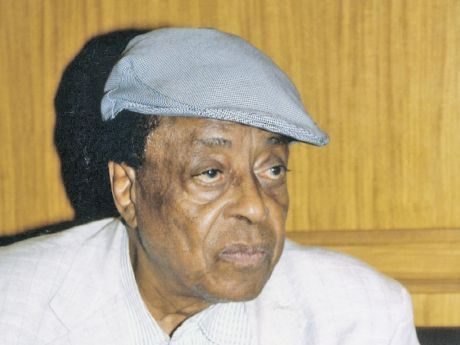
Muhammad al-Fayturi (1936–2015) was a Sudanese-Libyan poet, writer, and diplomat. He grew up in Alexandria, Egypt, and studied Islamic sciences and literature before becoming a prominent figure in contemporary Arabic poetry. Al-Fayturi served as a diplomat and ambassador for Libya in several countries, addressing themes of race and colonialism in his work. His notable collection of poems, 'Aga'nni Afriqia' ('Songs of Africa'), was published in 1953. He passed away in Rabat, Morocco, leaving a lasting impact on Arabic literature.