Poems37
The Damascene Poemالقصيدة الدمشقية
By: Nizar Qabbani
هذي دمشق.. وهذي الكأس والراح
إني أحب... وبعـض الحـب ذباح
أنا الدمشقي.. لو شرحتم جسدي
لسـال منه عناقيـدٌ.. وتفـاح
و لو فتحـتم شراييني بمديتكـم
سمعتم في دمي أصوات من راحوا
زراعة القلب.. تشفي بعض من عشقو
وما لقلـبي –إذا أحببـت جـراح
مآذن الشـام تبكـي إذ تعانقـني
و للمـآذن.. كالأشجار.. أرواح
للياسمـين حقـوقٌ في منازلنـا..
وقطة البيت تغفو حيث ترتـاح
طاحونة البن جزءٌ من طفولتن
فكيف أنسى؟ وعطر الهيل فواح
هذا مكان "أبي المعتز".. منتظرٌ
ووجه "فائزةٍ" حلوٌ و لمـاح
هنا جذوري.. هنا قلبي... هنا لغـتي
فكيف أوضح؟ هل في العشق إيضاح؟
كم من دمشقيةٍ باعـت أسـاوره
حتى أغازلها... والشعـر مفتـاح
أتيت يا شجر الصفصاف معتذر
فهل تسامح هيفاءٌ ..ووضـاح؟
خمسون عاماً.. وأجزائي مبعثرةٌ..
فوق المحيط.. وما في الأفق مصباح
تقاذفتني بحـارٌ لا ضفـاف لها..
وطاردتني شيـاطينٌ وأشبـاح
أقاتل القبح في شعري وفي أدبي
حتى يفتـح نوارٌ... وقـداح
ما للعروبـة تبدو مثل أرملةٍ؟
أليس في كتب التاريخ أفراح؟
والشعر.. ماذا سيبقى من أصالته؟
إذا تولاه نصـابٌ ... ومـداح؟
وكيف نكتب والأقفال في فمنا؟
وكل ثانيـةٍ يأتيـك سـفاح؟
حملت شعري على ظهري فأتعبني
ماذا من الشعر يبقى حين يرتاح؟
This is Damascus
And this is the cup and this is the wine
I am in love – but I am aware of the fact
That certain kinds of love
Can slaughter you in wrath
I am a Damascene if you dissect me into halves
You will have but grapes and apples falling in your path
I am a Damascene if you dissect me into halves
You will have but grapes and apples falling in your path
And if you open my veins with scalpels
You shall hear the voices of those who left
If heart transplants can
Cure some of the passionate
Why does mine stay torn in half then?
The minarets of Sham crying tears of absence when hugging me
And like trees their souls speak
For Jasmine have civil rights in our houses
As house cats take naps where so they relax
Coffee grinders crackling
Childhood reminders – back
How can I forget?
When my reaction to cardamoms’ strong fragrance
yet and still finds attraction
This is the place of Abi Al-Mu'tazz, waiting,
And the face of Fa'iza is sweet and radiant.
I am asking
If my roots, heart, and language are here
How am I supposed to make myself any more clear?
Is clarification necessary
With love so dear?
How many women of Damascus have sold their bracelets,
So I may court her... and poetry is the key.
I came, O willow tree, offering my apology,
Will Hayfa and Waddah, forgive me?
My parts have been scattered across coasts for years
Lanterns on horizons floating
Tossed around in shore-less oceans
Only to be haunted by devils and demonic ghosts
I battle ugliness with my poetry and prose
Until blossoms and flowers bloom.
Identity of Arabness resembling a widow, though
What will remain of poetry’s originality if so
Many liars and deceivers get to have complete control?
How are we ever going to write a verse
With locks over our mouths?
And when killers still approach?
I bore the burden of my words upon my back until I grieved
What shall remain of poetry when it is finally relieved?
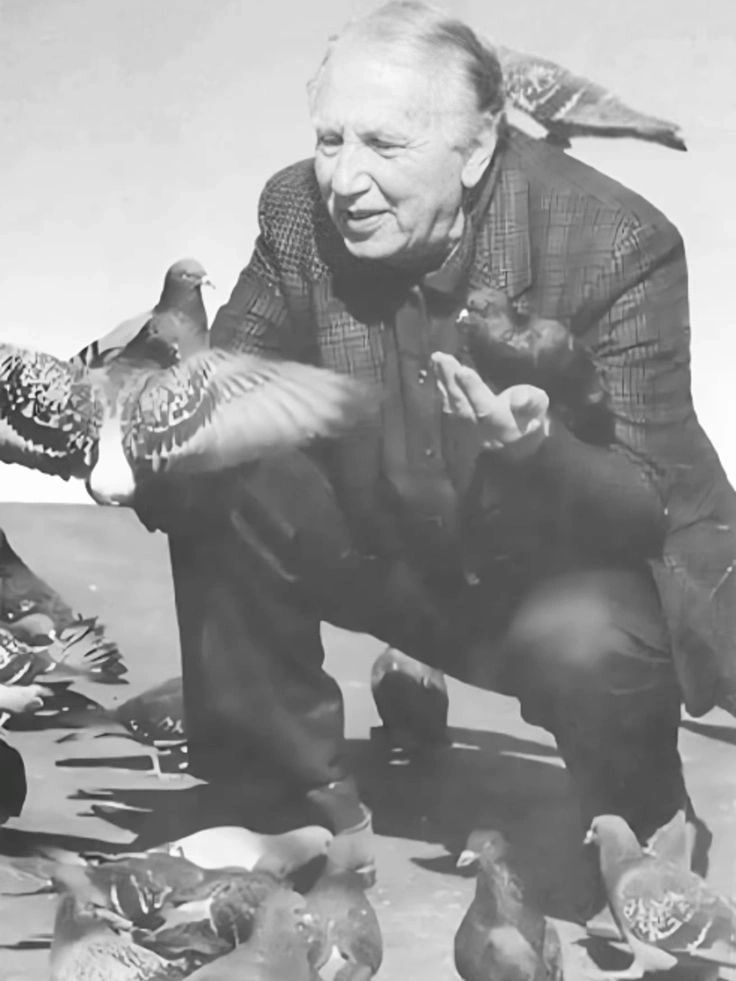
Nizar Qabbani (1923–1998) was a celebrated Syrian poet, publisher, and diplomat, often hailed as Syria’s national poet and a key figure in modern Arabic literature. Born in Damascus, he studied law at Damascus University and served in various diplomatic posts before resigning in 1966 to establish a publishing house in Beirut. His poetry, spanning love, grief, and political themes, gained widespread popularity, with many of his works set to music by leading Arab vocalists. Qabbani’s personal tragedies, including the loss of his sister, son, and wife, deeply influenced his work, infusing it with profound emotion and social critique. His love for Damascus and lament for Arab struggles defined his legacy as a transformative and enduring voice in Arabic literature.