Poems30
The Night Your Lord Gave Leaveتَأَذَّنَ رَبُّكَ لَيْلَةَ قَدْرٍ
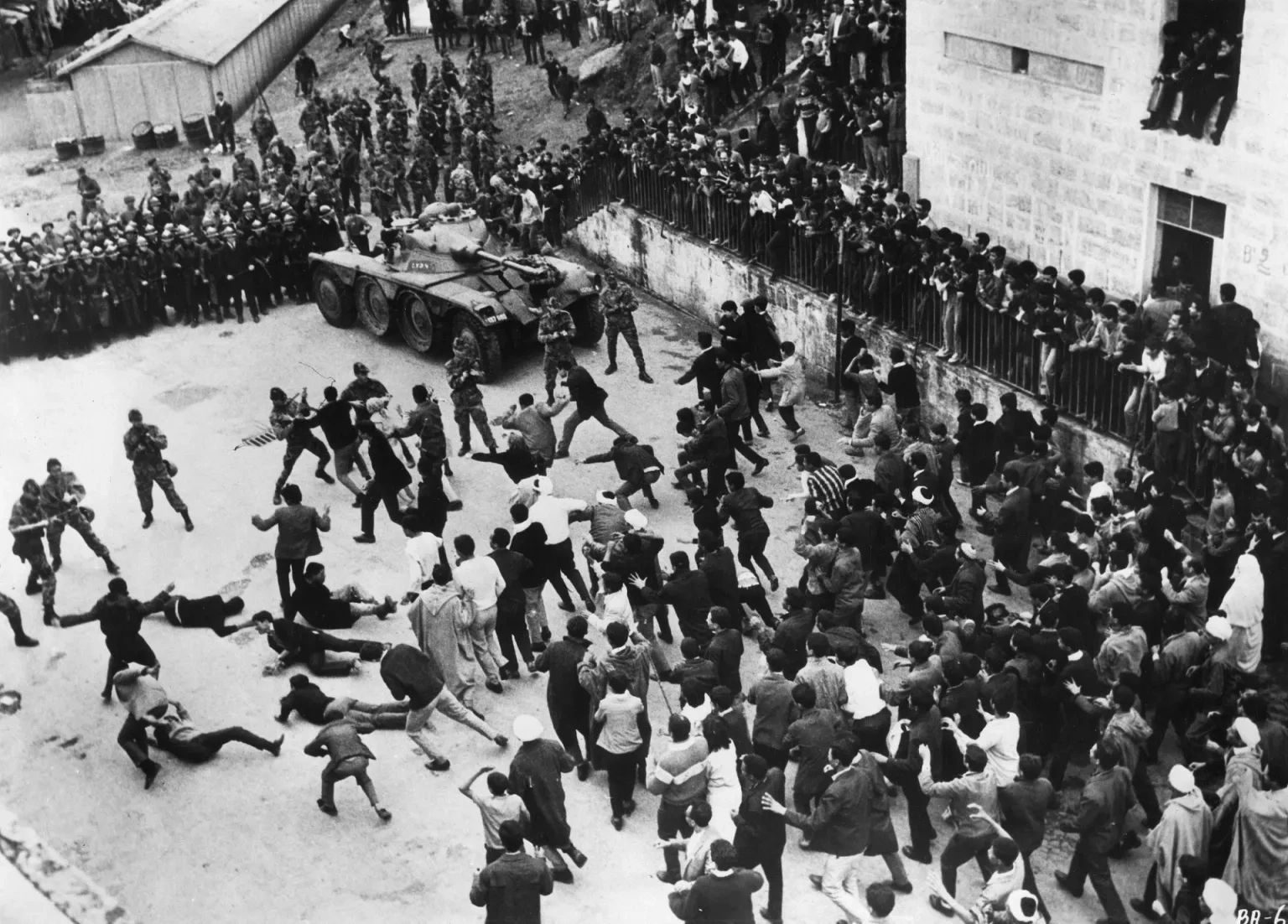
By: Moufdi Zakaria
تَأَذَّنَ رَبُّكَ لَيْلَةَ قَـــــــــدْرٍ
وَأَلْـــقَى السِّتَارَ عَلَى أَلْفِ شَهْرٍ
وَقَالَ لَهُ الشَّعْبُ: أَمــــرُكَ رَبِّي
وَقَــــالَ لَهُ الرَّبُّ: أَمْرُكَ أَمْرِي
وَدَانَ الْقِصَاصُ فَرَنْسَا الْعَجـــوزَ
بِمَا اجْتَرَحَتْ مِنْ خِدَاعٍ وَمَكــــــرٍ
وَلَعْلَعَ صَوْتُ الرَّصَـــــاصِ يُدَوِّي
فَعَـــافَ الْيَـــرَاعُ خُرَافَاتِ حِبْرٍ
وَتَأْبَى الْمَدَافِعُ صَوْغَ الْكَلَــــــامِ
إِذَا لَــــمْ يَكُنْ مِنْ شُوَاظٍ وَجَمْــــرٍ
وَتَأْبَى الْقَنَابِلُ طَبْعَ الْحَــــرُوفِ
إِذَا لَــمْ تَكُنْ مِنْ سَبَائِكِ حُمْــــرٍ
وَتَأْبَى الصَّفَائِحُ نَشْرَ الصَّحـــائِفِ
مَا لَمْ تَكُنْ بِالْقَرَارَاتِ تَســـــرِي
وَيَأْبَى الْحَدِيدُ اسْتِمَاعَ الْحَـــــدِيثِ
إِذَا لَمْ يَكُنْ مِنْ رَوَائِـــــعِ شِعْرِي
نُوفَمْبَرُ غَيَّرْتِ مَجْرَى الْحَيـــــــــاةِ
وَكُنْتِ نُوفَمْبَرُ مَطــــــــــلَعَ فَجْرٍ
وَذَكَّرْتِنَا فِي الْجَزَائِرِ بـــــــدْرًا
نُضَاهِي صَحــابَةَ بَــــــــــــدْرٍ
Your Lord gave leave on a Night of Power,
And cast the veil upon a thousand months.
The people declared: "Your command is our will,"
And He replied: "Your will is My command."
Retribution came to aging France,
For all it had sown of deceit and deceitful schemes.
The crack of bullets thundered in the air,
The pen recoiled from tales dipped in ink.
Cannons refused the crafting of speech
Unless it burned with blaze and ember.
Bombs would not engrave their letters
Unless cast from alloys which burning red.
The plates refuse to spread the pages
Unless they flow accompanied by decrees.
And iron turned away from hollow words
Unless they sang with the marvels of my poetry.
O November, you changed the course of life,
You were the herald of a dawn anew.
You reminded Algeria of Badr’s day,
As we mirrored the Companions of Badr in kind.
Editorial Notes
This powerful Arabic poem draws on sacred and revolutionary imagery, beginning with Laylat al-Qadr (the Night of Decree), the holiest night in Islam, and culminating in a remembrance of the Battle of Badr, Islam’s first defining victory. The poet frames the Algerian revolution inside this spiritual and historical arc, traveling between the heavenly and the historical, from the shrouded mystery of a thousand months to the drumbeat of revolution in Algeria.
In terms of language and prosody, the written form of the poem preserves full diacritical marks (التشكيل) and grammatical tanwīn at the ends of lines (e.g., "حُمْرٍ", "جَمْرٍ, "). However, in oral recitation, the poet intentionally omits the tanwīn on final words rendering them as "حُمْرِ", "جَمْرِ", etc. This practice is permissible under ضرورة شعرية (darūriyyāt al-shiʿr), which is the classical tradition permitting phonetic flexibility for the sake of metrical integrity.
The English translation follows the poem’s conceptual structure and emotional register closely, carrying forward its blend of defiance, reverence, and poetic gravitas, while making it accessible to non-Arabic readers.
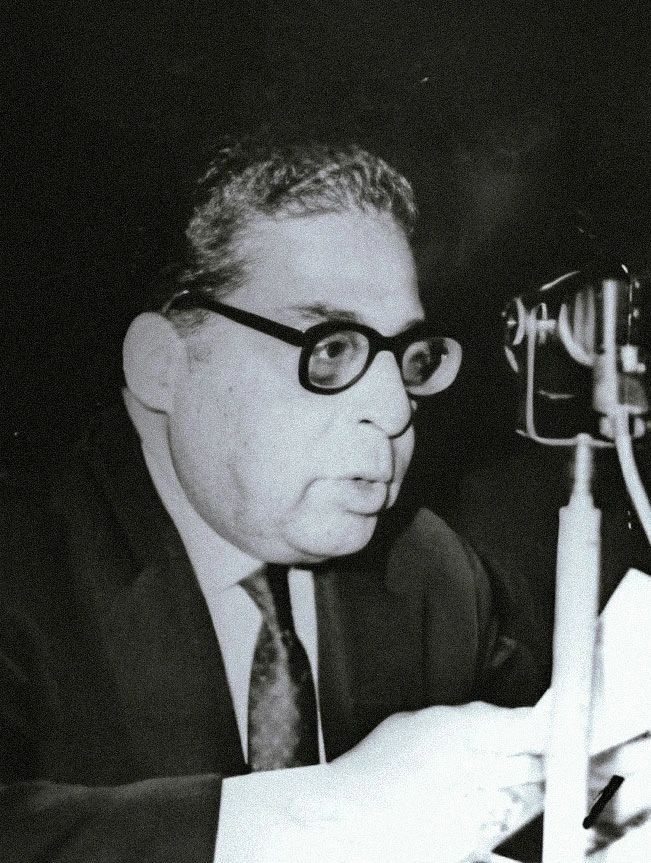
Moufdi Zakaria (1908–1977) was an Algerian poet and nationalist known as the "Poet of the Revolution." He wrote Algeria’s national anthem Kassaman while imprisoned, reportedly in his own blood. His poetry fused Islamic imagery with anti-colonial resistance, making him a cultural icon of the independence movement.