Essays14
Paris, Texas: The Distance Between Wanting and Living
Noah Range
Crumbling billboards, highways wider than rivers, foreboding skyscrapers intruding upon blue skies - Paris, Texas transpires where promises of possibility have long been forgotten, dissolved into wistful disaffection. Wim Wenders’ 1984 film Paris, Texas meditates on the intersection of space, motion, and aspiration, portraying characters who move through America as if it had abandoned them.
Paris, Texas features a skeletal narrative: it follows Travis Henderson, a drifter who is found wandering the West Texas desert after a four-year absence, as he is slowly reintroduced into the lives he withdrew from. He departs that barren landscape to his brother Walt’s suburban home in Los Angeles to reconnect with his son Hunter, after which he journeys to Houston in search of his estranged wife, Jane. The film concludes with Travis quietly removing himself once more after reuniting Jane and Hunter.
This progression serves to bolster themes of emotional, physical, and perceptual distance; each attempted reunion is fleeting and mediated. Though Travis’ story can be defined as one of loss and grief, Paris, Texas is more holistically concerned with the trauma of a future never realized and ambition devoid of fulfillment, laying bare the emptiness of the American Dream.
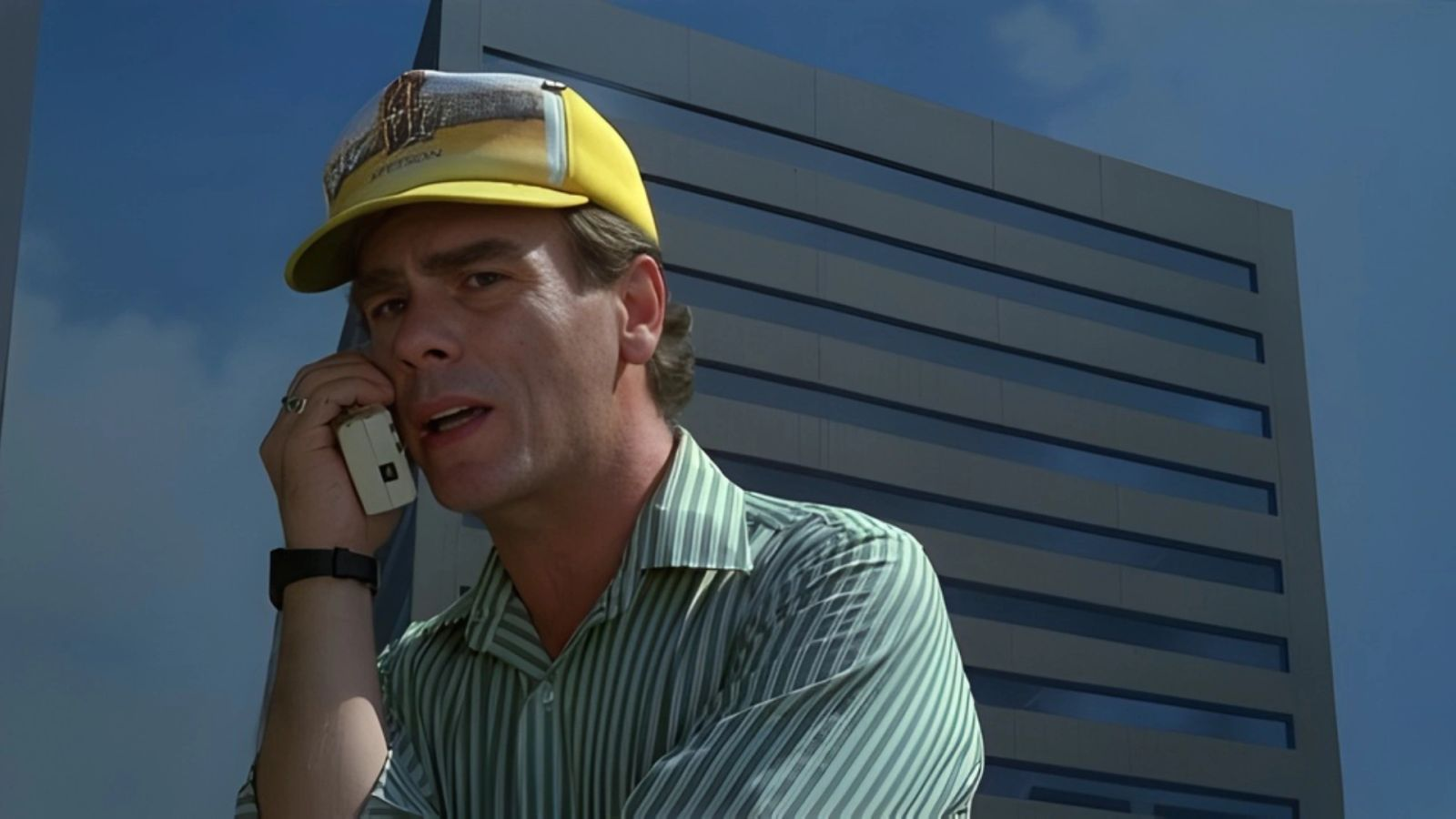
The film never shows or tells of Travis visiting the titular town, as his four-year disappearance from his loved ones is only described as one where he “ran… until every sign of man had disappeared.” Yet Paris is a place of tremendous significance to him; he clings to the belief that he was conceived there, and he reveals that he once bought a plot of land there in hopes to start fresh with a family he would eventually lose.
The parallel drawn in the movie between Paris, France, and Paris, Texas is not merely a joke pointed at small-town America: it is the film’s central allegory, tying the woeful, lived circumstances of the average American to the grandeur of the American Dream. As Travis and his brother, Walt, drive westward after his discovery, Travis shows Walt a “picture of Paris.” Walt quickly remarks, “Looks like Texas to me.” Although Travis sees Paris as a place of destiny, he never reaches it, nor does his brother understand what he sees in it.
Such disconnect is a product of devotion, not delusion. In Paris, Texas, the American Dream is not delivered to any of the characters, yet it survives due to sheer belief. The characters invest hope in land, in property, in corporate careers, and in the promise of starting over. Nonetheless, no evidence supports that their dedication will ever bear fruit. Exemplary of a misplaced idealism, such is Travis’s strange connection to Paris.
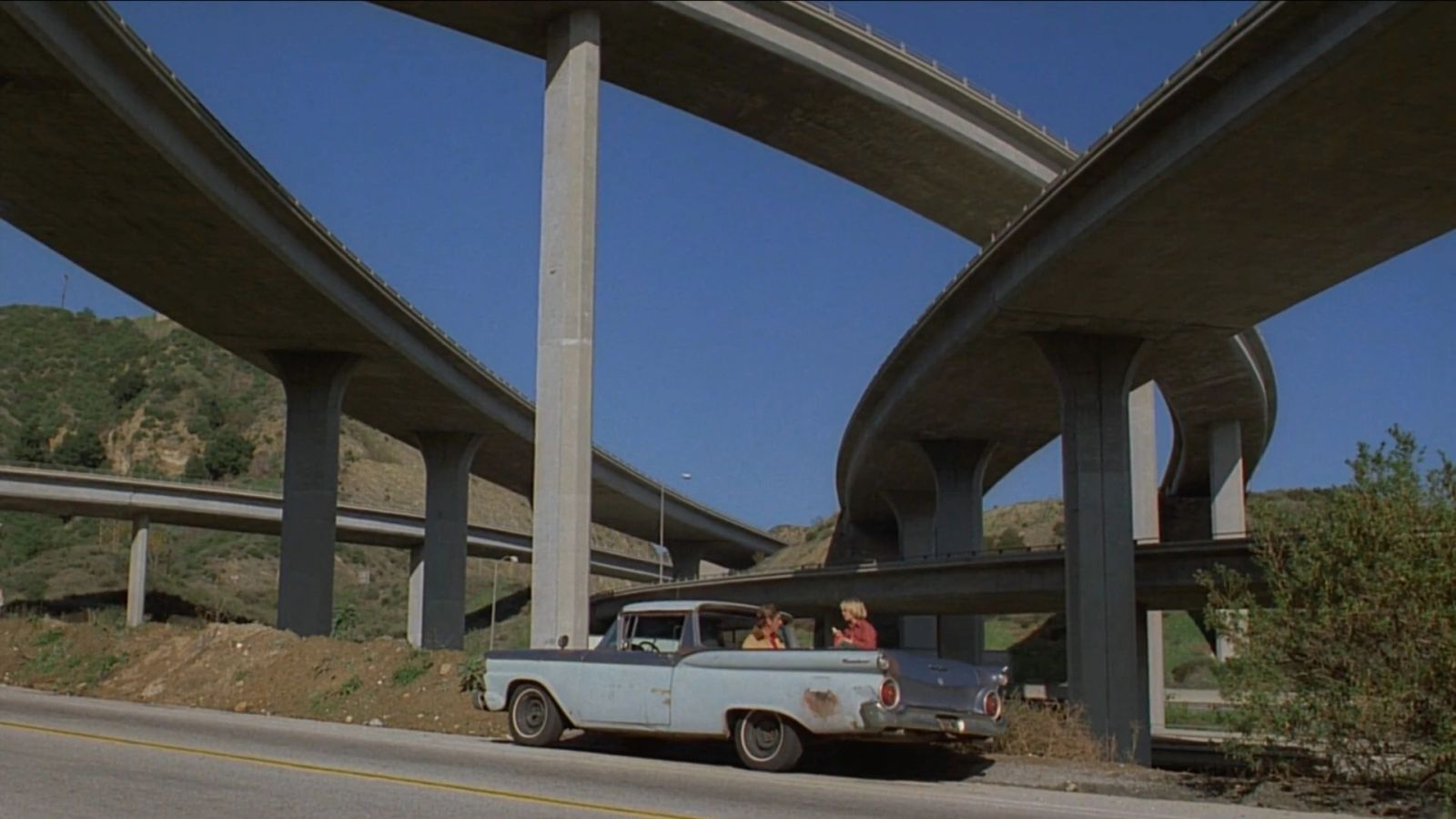
In making this point, Wenders gives failure physical form through his lens, capturing environments that isolate, dwarf, and deny comfort and intimacy. The American West is shot as empty as the American Dream itself, from the vast, open desert of West Texas to dingy bars and listless hotel rooms. Sprawling, hostile highways - where Travis can be seen both walking over and relaxing under - offer freedom but no destination themselves; dull, monolithic skyscrapers not only belittle characters, they erode individuality, presenting their stories as a few among countless.
Just as these uniquely American landscapes are architects of isolation, they also emphasize Travis’ exclusion from prosperity. Walt and Travis drive past colossal skylines and awe-inspiring mountains while also staying in dilapidated motels or crashing in a suburban house perched in metropolitan outskirts. Travis never settles into a place or even sleeps on screen, for he only inhabits spaces designed for travel or temporary use, places that reflect an inability to belong.
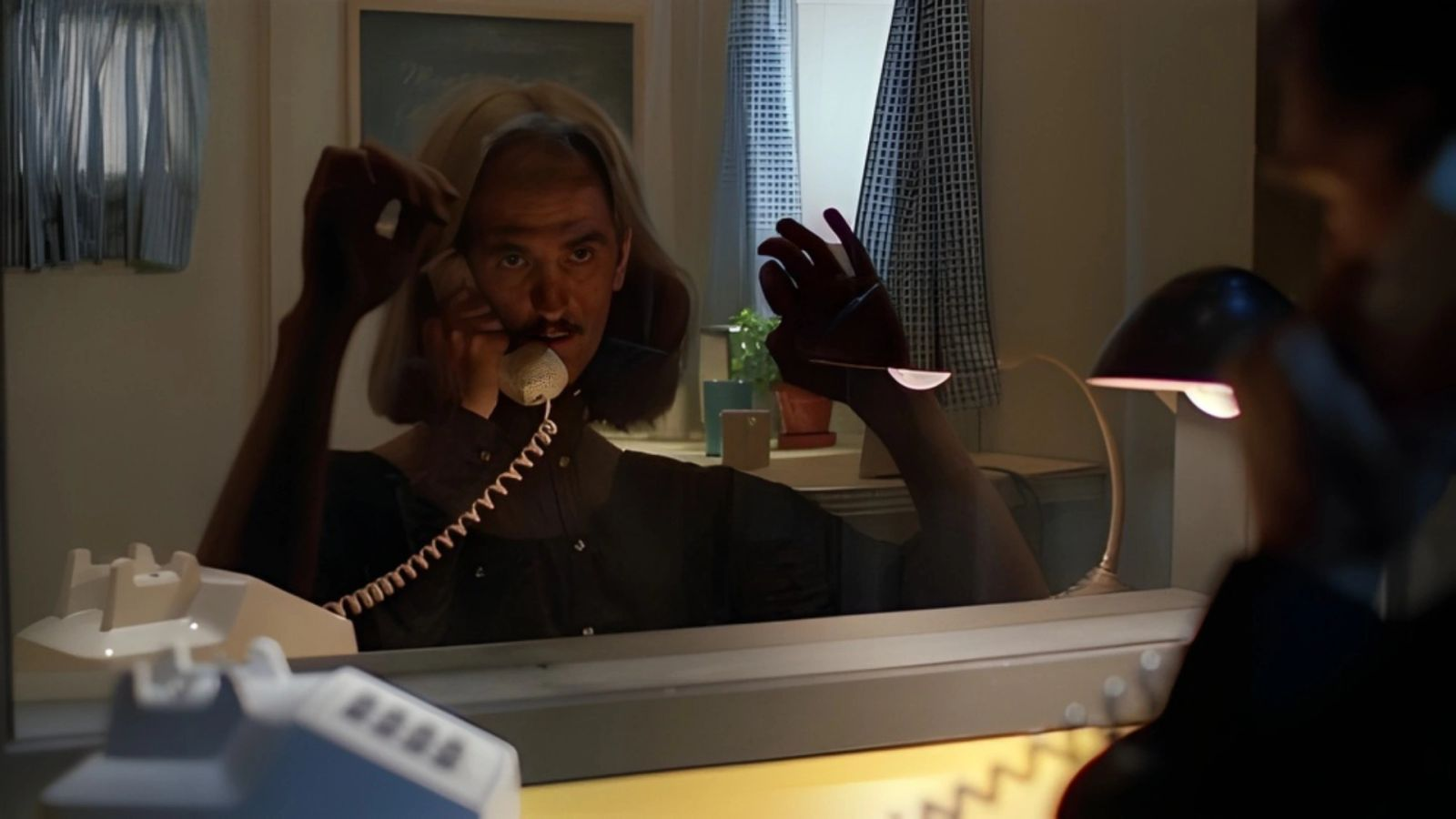
This logic of spatial isolation carries naturally into the film’s emotional geography. Travis and his son, Hunter, communicate via walkie-talkies while Hunter rides separately in a truck bed. Travis’ reunion with his wife, Jane, unfolds with each on separate sides of a one-way mirror. Wenders marries hollow landscapes and physical separation with an emotional narrative: within every gorgeous frame exists a feeling of placelessness; inside every story beat lies a longing for connection that is never fulfilled.
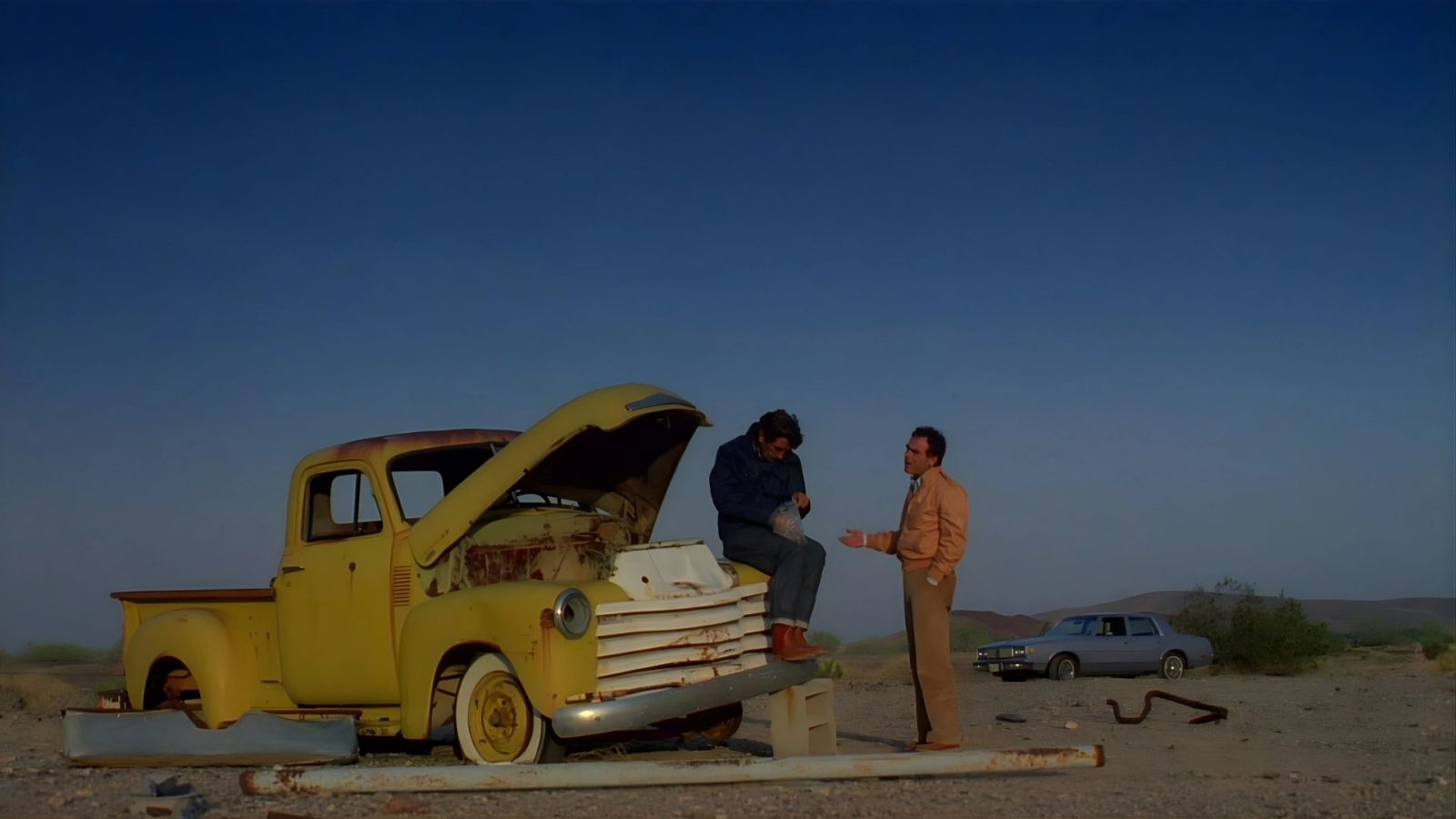
Amidst isolating conditions, movement comes to represent not freedom but the lack of agency inherent in the characters’ lives. It becomes the only option when belonging is no longer a possibility. Because space is temporary and destination is perpetually deferred, transit through these spaces is constant. The plot constantly moves characters from one place to another, and after Travis seemingly has no destination, he again abandons his family. Even the film’s few moments of stillness are presented as mere diversions from motion. When Travis, en route to Los Angeles, detours to simply sit atop an abandoned truck, his break signifies exhaustion and distraction instead of rest.
As motion does not signify emotional or social progress, the mode of transit remains stagnant: in Hunter’s words, “everybody drives.” Wenders consistently involves trains and planes in his vision; they serve as reminders of systemic progress that characters do not belong to in any meaningful way. Travis is seen walking behind a train in the west Texas desert, planespotting over the LA horizon, and refusing to fly on a plane, only ever confined to automobiles that seclude rather than connect.
Space in Paris, Texas, denies belonging, and constant movement maintains transience. This leaves Travis unable to obtain stability and clarity; his character is consequently childish and fragmented. Fundamentally, Travis exemplifies the failed subject of the American Dream, for his personal turmoil and emotionally isolating actions are the result of a man endlessly adrift between desire and fulfillment.
Before taking to wandering, Travis embodied faith in the American Dream: planning to reinvent his life with his family through property ownership is as pure as such a belief can be. But Travis is initially mute and exhibits childlike behavior, broken under the weight of his failures. This is especially transparent as he attempts to reconnect with Hunter. His first major attempt at connection is to walk Hunter home from school, which sees him asking a housemaid, “What does a father look like?”; when Travis arrives, he wears a three-piece suit and walks on the opposite side of the road to Hunter among crowds of children.
Disconnect is the primary cause of Travis’ dysfunction: failure of perception, “sight without seeing.” More precisely, it is the act of envisioning something - circumstances, loved ones, a future - while remaining wholly unable to recognize it for what it is. Discussing his father, Travis tells Hunter, “He looked at her, but he didn’t see her”; Travis later tells Jane, as he looks directly at her, “I can’t see you.”
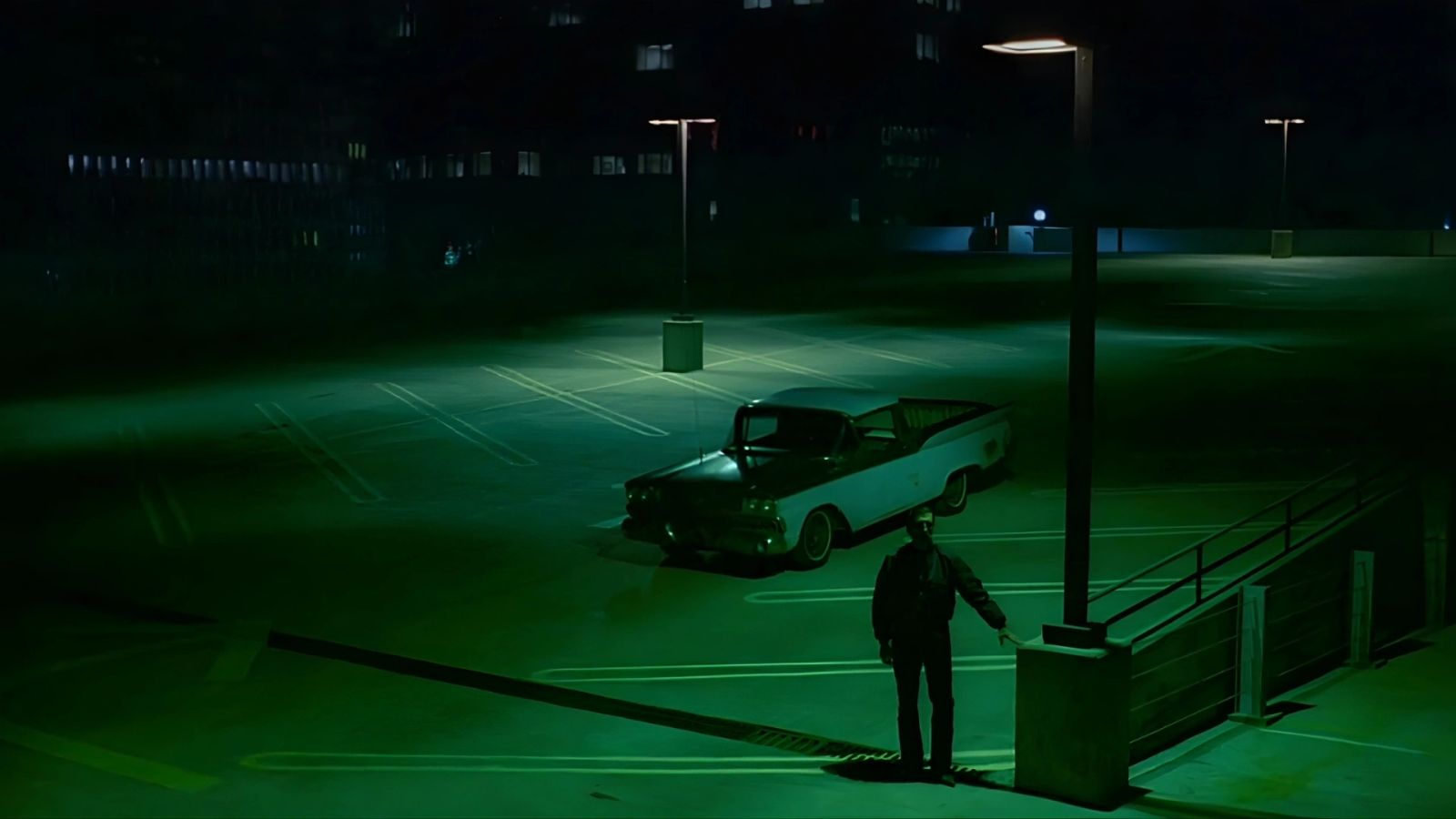
The tragedy of Paris, Texas, is not that Travis fails to rebuild his life, but that he was never able to understand what he had to begin with. At least, not before it was too late. The distant solitude that awaits Travis as he drives out of Houston into the night is a rejection of redemption, an argument that healing requires absence. For Travis and many others adrift in America, surviving a broken dream requires a resignation from living inside it. Obsessing over the distance between the grandeur of our dreams and the pittance of our reality is its own form of exile.
Noah Range is a writer focused on the human experience, often at the intersection of art and culture. A graduate of the University of Florida with degrees in Economics and Environmental Science, he writes poetry, fiction, and cultural criticism. He lives in Chicago and plans to attend law school.