Essays38
Cinematic Mercy: God’s Mercy In Cinema
By: Abdurrahman Danquah
We live in a world where the shadows of war, famine, greed, and hunger stretch long. The stolen lives of the children in Gaza are not just numbers; they were dreams and unfulfilled ambitions. And yet, there are so many videos of the parents of these children praying and praising God. How? Through all of this destruction, they can still find God's love and mercy. It’s profound. I can’t seem to understand it, and I’ve been giving the grace of God’s Mercy deep contemplation recently. If I can’t find the whispers of mercy in my own life, how will I be able to bear the weight of my own existence?
Do you view God as a storyteller? Regardless of your religion, if you want to understand God and His message, it often comes in the form of stories. Our connection to God can depend on how these stories are told to us and how we interpret them. Thankfully, God gave us the gift of storytelling and instilled in us the love and passion for hearing and telling them.
In screenwriting, there’s something called The Hero’s Journey, a basic story structure taught on the first day of film school. Interestingly, this structure requires the character to face adversity. Without challenges, there’s no growth, no revelation, nothing to be resolved. Similarly, we must face challenges in our lives to go through our own "character development." In Spider-Man: Across the Spider-Verse (2023), this is referred to as a Canon Event – a moment of inevitable challenge that shapes the hero’s destiny. In Islam, this is known as Qadr or Divine Decree, pivotal moments that steer us toward our purpose. These moments–the job lost, the love found, even the family into which we are born–are the threads of our destiny, woven by the Divine Weaver.
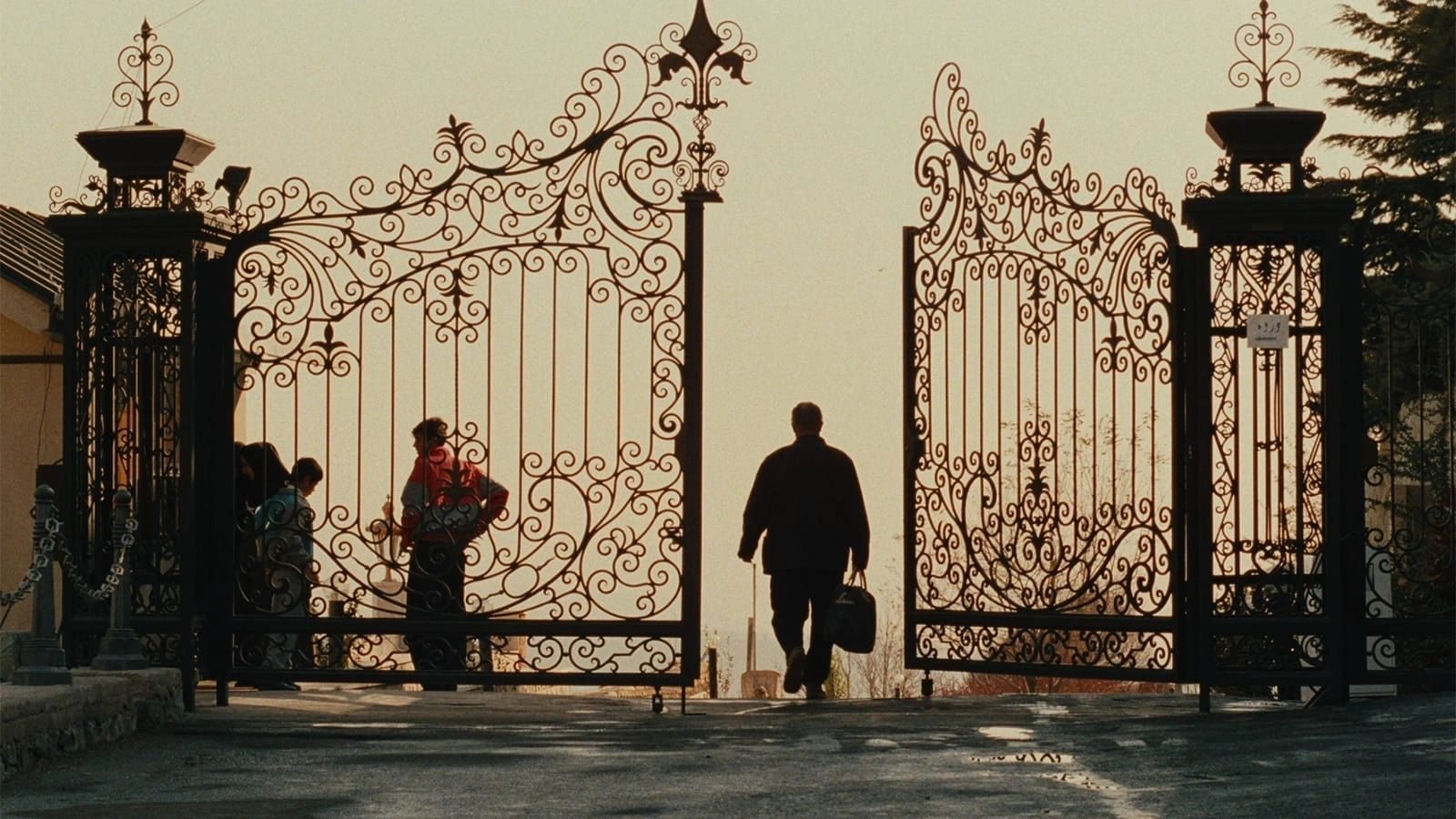
Every story offers us a window into what God’s Mercy can do for man. Take, for instance, the film Taste of Cherry (1998). Mr. Badii, burdened by unknown sorrows, seeks to end his life. He searches out local people in the town to aid him in his mission. He isn’t successful until he meets Mr. Bagheri. Mr. Badii experiences God’s Mercy through Mr. Bagheri's ten-minute monologue about cherries (or mulberries, depending on which translation you get). Even though the film ends ambiguously – Mr. Badii reconsiders his choices because of the conversation he had about the cherries. God sent him Mr. Bagheri to give Mr. Badii the space to meditate and consider his options outside of suicide.
This theme recurs in practically every movie you watch. In Aftersun (2022), Sophie experiences God's mercy through the miniDV tapes of her father, the last tangible memories she has of him. In A Thousand and One (2023), God’s Mercy is shown to Terry, an orphan, when his biological mother abandons him and is instead blessed with Inez, who finds him and treats him like a son. God's Mercy is threaded throughout the film Sounds of Metal (2019) and especially shines at the film's end when Ruben accepts his deafness instead of trying to change himself. This is the height of mercy – self-acceptance through challenging adversity.
Each character in these films must face hardship to recognize or experience ease. The blessing of cinema is that we’re able to learn from these stories and take these life lessons with us in order to change our everyday circumstances. Whether at an individual level, community scale, or worldwide, our understanding of stories can help us when our back is to the wall, and we’re forced to face our challenges. I pray we find mercy in the stories we tell and consume. Amen.
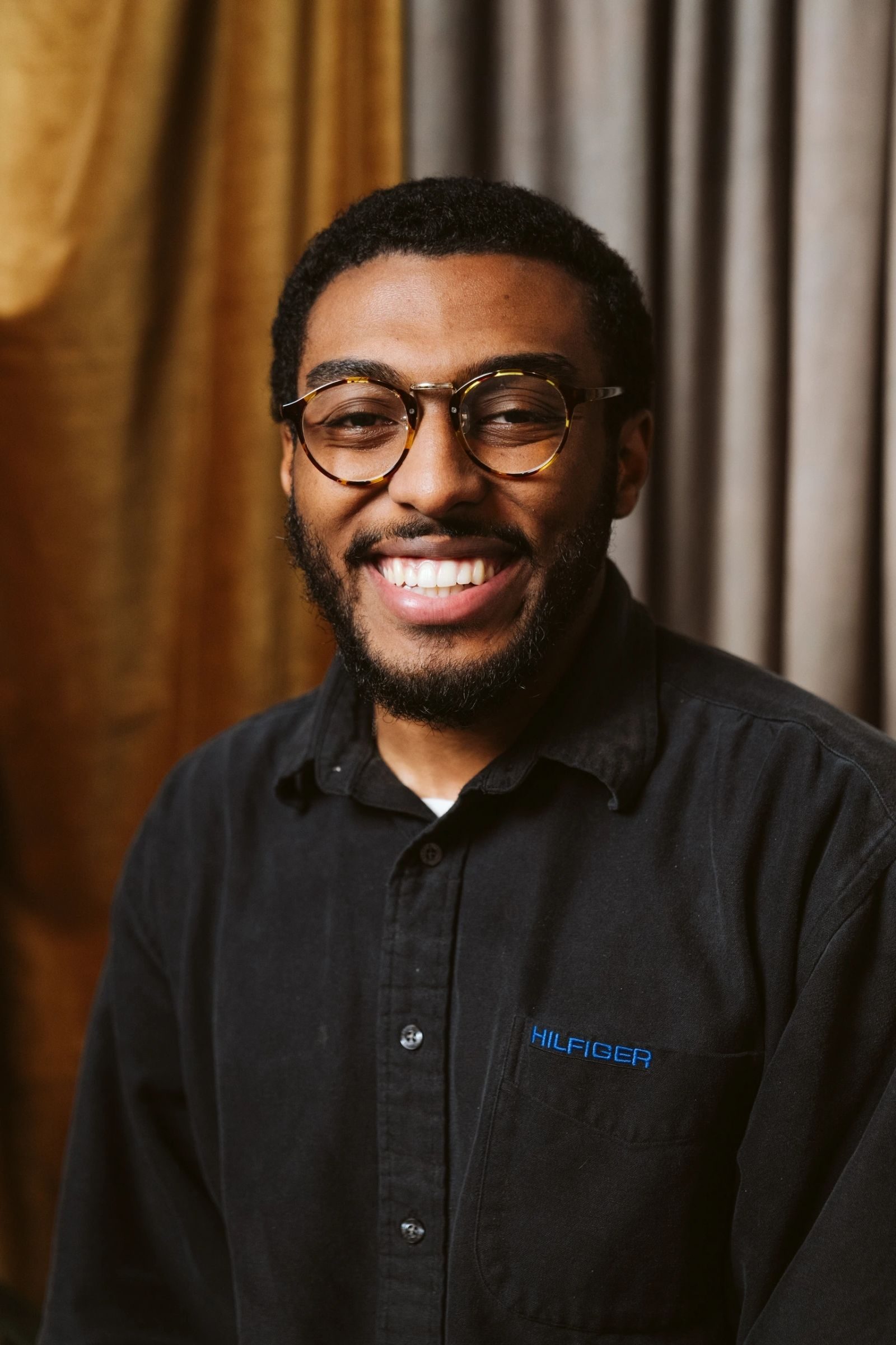
Abdurrahman Danquah is a Houston-based filmmaker. With a passion for storytelling across film, poetry, and photography, his work explores themes of identity, faith, and connection. His films have premiered at festivals like REEL Poetry, and his photography has been featured in The New York Times, CNN, The Washington Post, Ocula Art, and i-D Magazine. Abdurrahman works in Public Programs at The Museum of Fine Arts, Houston, and recently served as the film curator for the inaugural Islamic Arts Society Film Festival. He is also the founder of The Harbor, a gallery space known for its art shows and poetry showcases.